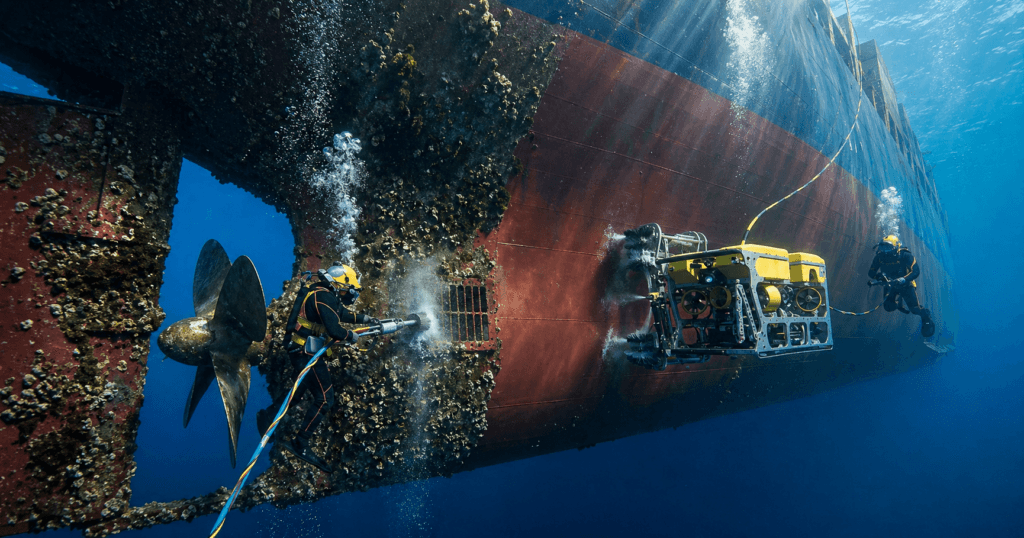
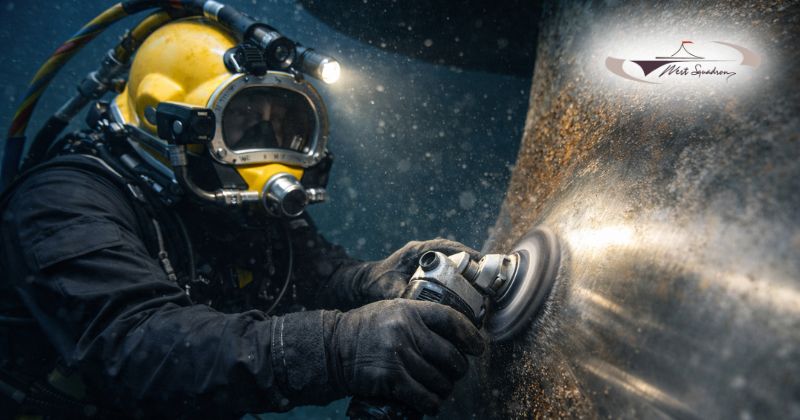
The propeller of the vessel is the center of the propulsion system, and it directly affects the speed, fuel consumption, maneuvering capabilities, and overall performance of the vessel. With time, constant exposure to seawater causes surface roughness, marine growth, corrosion, and other minor imperfections that decrease hydrodynamic efficiency. Although it eliminates marine life during the cleaning process, polishing also gives the propeller a smooth finish to allow it to do its job optimally.
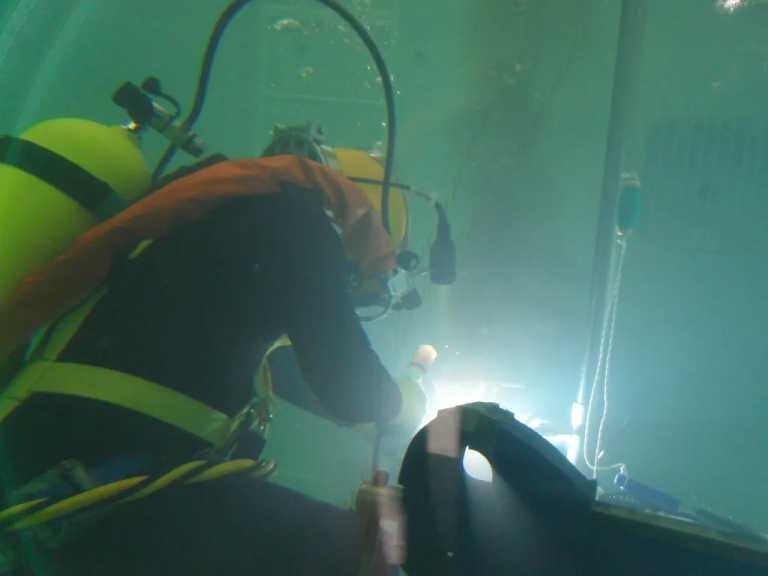
Underwater Propeller polishing is a unique form of maintenance work that is done by a certified commercial diver on the basis of professional polishing equipment and approved industry methods. Through the implementation of polishing as the vessel is still afloat, the shipowners can save time on needless dry docking, save time on operations, and enhance the performance of the vessel over the long term. This guideline examines the processes, advantages, best practices, and industry standards that ensure that underwater propeller polishing is a critical aspect of contemporary marine maintenance.
What Is Underwater Propeller Polishing?
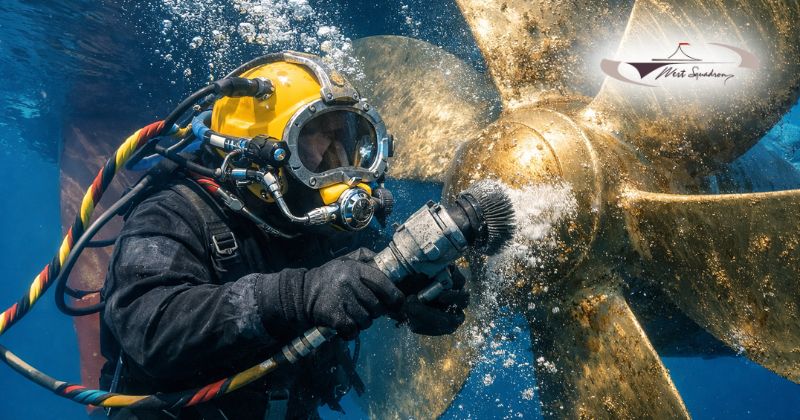
Underwater propeller polishing refers to the process of cleaning up the smooth surface of a propeller on a vessel by eliminating oxidation, light corrosion, marine deposits, and microscopic surface flaws. Professional polishing is a controlled process that does not alter the geometry of the propeller, as is done in aggressive grinding or machining but enhances its hydrodynamic properties.
The service is usually performed on:
- Cargo ships
- Container vessels
- Oil and chemical tankers.
- Passenger ferries
- Offshore support vessels
- Naval vessels
- Luxury yachts
Regular polishing of vessels can ensure that they have the best propulsion efficiency during their operational cycle.
Why Propeller Polishing Matters
Although a propeller may seem to be clean, there can be little roughness on the surface that can add water resistance and decrease propulsion efficiency. A smooth propeller enables the water to pass by the blade surfaces in a much smoother way, enhancing performance and decreasing engine workload.
There are a few benefits of regular polishing:
- Improved fuel efficiency
- Better vessel speed
- Reduced engine stress
- Reduced greenhouse gas emissions.
- Enhanced maneuverability
- Extended service life of propellers.
- Reduced operating costs
These advantages would render polishing a useful preventive maintenance in business fleets.
How Commercial Divers Perform Propeller Polishing
Professional Commercial Diving propeller polishing is a system that has a systematized procedure to maintain uniform outcomes as well as guard the propeller surface.
1. Initial Underwater Inspection
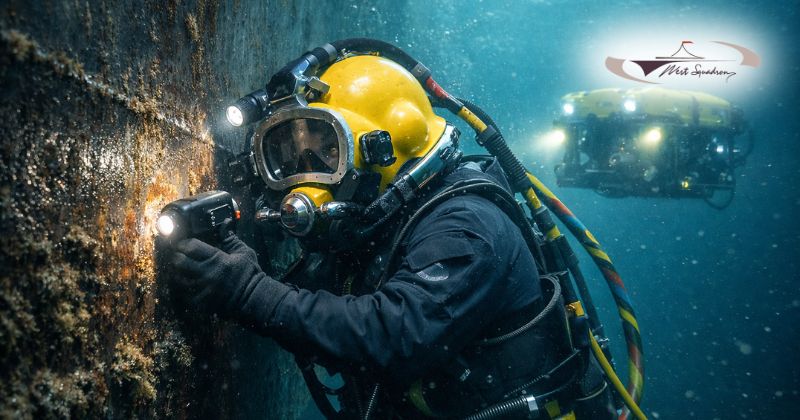
Prior to commencing polishing, commercial divers perform an inspection on the propeller of:
- Marine growth
- Corrosion
- Cavitation damage
- Blade deformation
- Surface wear
- Mechanical defects
This check identifies the right polishing or the need to do more repairs.
2. Surface Cleaning
The marine vegetation, slime, and deposits are cleared with non-abrasive cleaning equipment. With the right preparation, polishing compounds can be used to achieve a smooth finish.
3. Controlled Polishing
Properly, divers can use special polishing pads, rotary tools, and marine-grade compounds to clean up the smooth surface of the propeller without changing the size of the blades or harming the protective finishes.
Professional Propeller Polishing Services adhere to the recommendations of the manufacturers and the established industry practices in order to obtain a uniform quality of the surfaces.
4. Final Inspection and Documentation
Upon polishing, divers take a final visual check and take photographs or video records of the work done. Such reports assist vessel operators in tracking maintenance history and setting up a schedule of servicing.
Benefits of In-Water Propeller Polishing
Improved Fuel Economy
A less jagged propeller decreases the hydrodynamic resistance so that engines can produce the thrust more effectively. A lot of operators are recording significant fuel savings after regular In-Water Polishing of Propellers.
Reduced Vessel Downtime
It is possible to polish a vessel at the time it is afloat, which means that there is no need to subject a vessel to dry docking and to enable ships to operate according to schedules.
Lower Environmental Impact
Enhanced propulsion efficiency will minimize fuel usage and greenhouse gas emissions, which will help achieve sustainability objectives and adhere to the latest environmental rules.
Extended Propeller Lifespan
Regular polishing will reduce corrosion, oxidation, and surface wear and tear, prolonging the usefulness of precious propulsion equipment.
Industry Standards and Best Practices
The work of polishing is based on the rigid quality control and compliance with the accepted marine maintenance standards.
Best practices such as:
- Carry out pre-polishing checks prior to each polishing project.
- Employ qualified commercial diving crews.
- Use soft polishing procedures.
- Maintain original propeller profile.
- Follow manufacturer specifications.
- Findings of document inspection and work done.
- Become a part of a preventive maintenance schedule.
These practices will guarantee the same outcomes and prevent interruption of the integrity of propulsion systems.
Integrating Polishing into Marine Propeller Maintenance
There is more than polishing to Professional Marine Propeller Maintenance. Shipowners usually offer polishing with other underwater services, such as:
- Propeller cleaning
- Hull inspections
- Hull cleaning
- Sea chest inspections
- Rudder assessments
- Underwater photography
- Cathodic protection inspections
A detailed maintenance program enhances efficiency in vessels and decreases operating expenses in the long term.
Choosing Professional Ship Propeller Polishing Services
To ensure credible results, it is important to select experienced Ship Propeller Polishing Services providers. A qualified contractor should offer:
- Certified commercial divers
- The contemporary underwater polishing devices.
- Digital inspection reporting
- International safety standards.
- Various types of vessels.
- Green maintenance practices.
The collaboration with a seasoned marine service provider will protect the key assets of propulsion and guarantee high quality of workmanship.
Frequently Asked Questions (FAQs)
Q1. What is underwater polishing of propellers?
Ans: Restoring the propeller surface of a vessel underwater to enhance propulsion efficiency and fuel economy through removing oxidation, slight corrosion, and surface imperfections is termed as a restoration process.
Q2. What is the difference between propeller polishing and propeller cleaning?
Ans: Cleaning and polishing allow the removal of marine growths like algae and barnacles, and give the smooth metal surface back to minimise drag and enhance hydrodynamic performance.
Q3. Is it possible to polish the propeller without dry docking?
Ans: Yes. Polishing can also be done by certified commercial divers when the vessel is still afloat, and this reduces the downtime and disruption to operations.
Q4. How frequently is a propeller to be polished?
Ans: The optimal period will depend on the type of vessels, the condition in which it operates, trade routes, and the maintenance. Frequent checks will aid in deciding when polishing is needed.
Q5. Does polishing the propellers enhance fuel efficiency?
Ans: Yes. A more rounded propeller surface will decrease the water resistance, allowing a propulsion system to work more efficiently and use less fuel.
Conclusion
A properly maintained propeller is fundamental in ensuring that the vessels can perform optimally, the fuel expense is lowered, and the propulsion equipment is able to last longer. Underwater Propeller polishing, with a combination of talented commercial divers, specialized polishing methods, and preventive maintenance programs, assists in enabling shipowners to attain higher operational efficiency of their operations without paying to dry dock their vessels. With the maritime sector still focusing on sustainability, reliability, and affordable maintenance, regular propeller polishing is still a significant investment to vessels that work in challenging marine conditions.