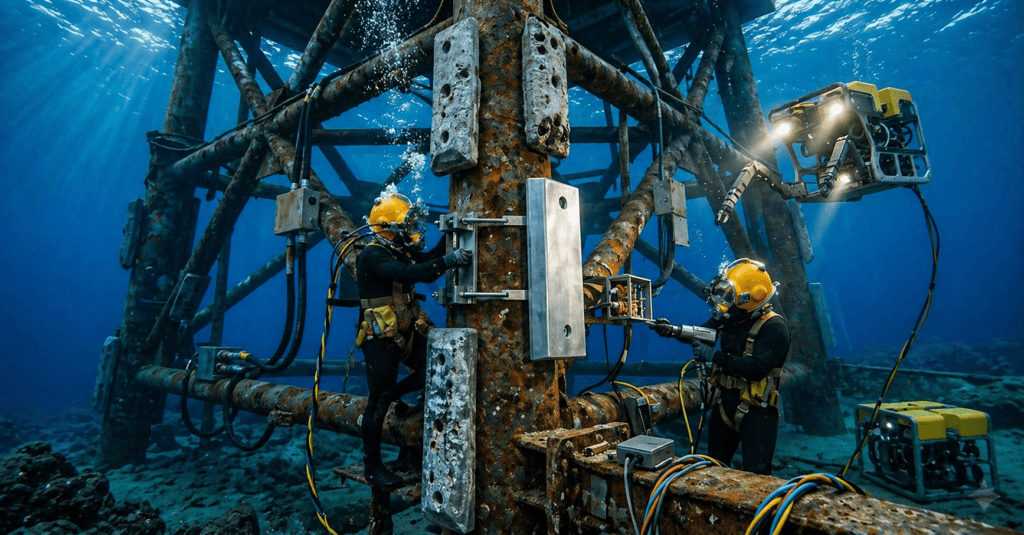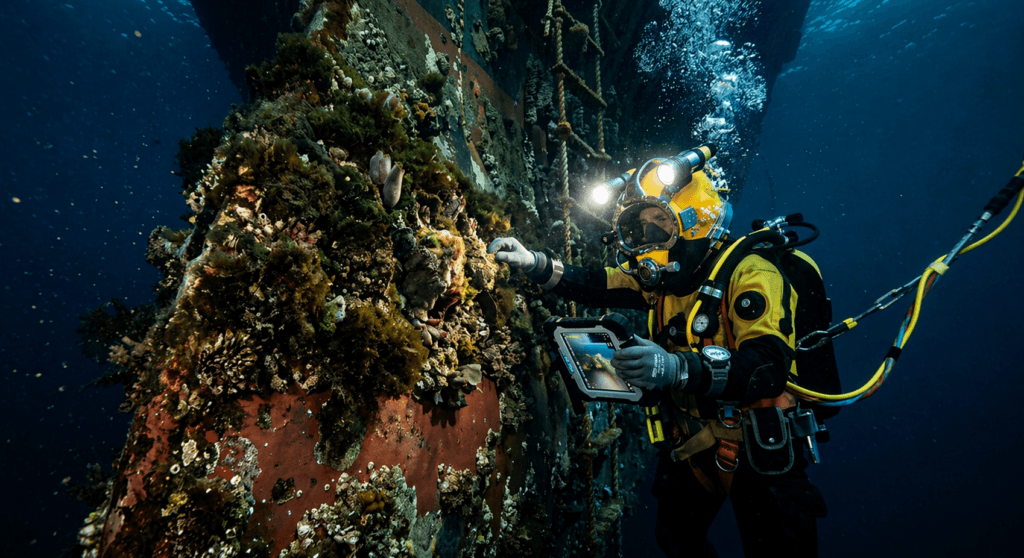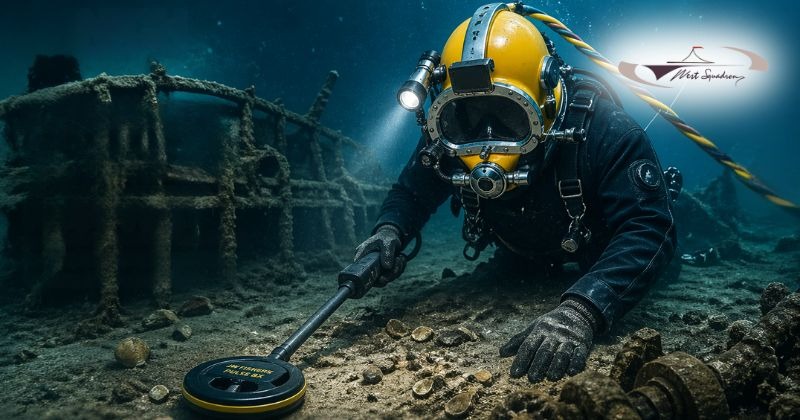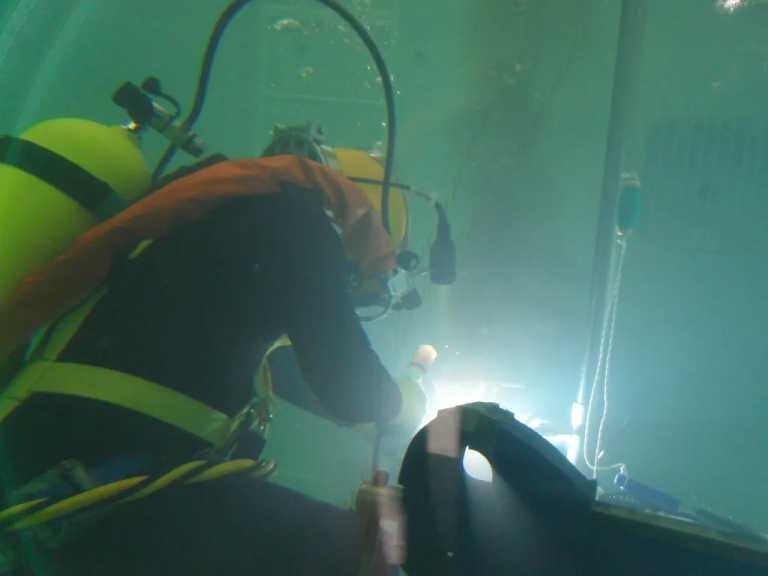
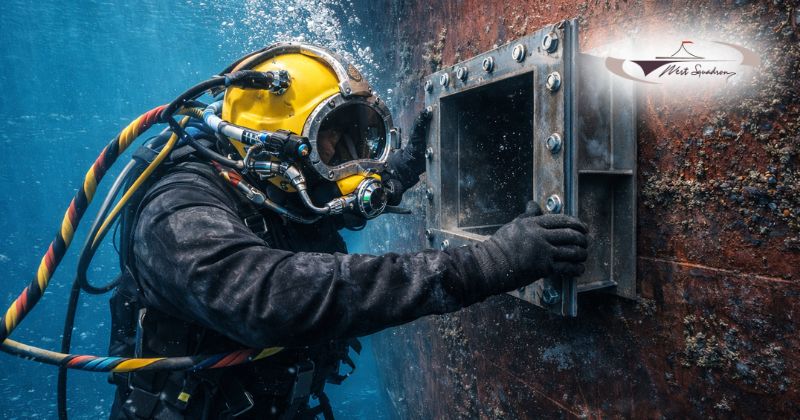
There is a high level of operation in the demanding environment of marine vessels and offshore structures, where the hull might be damaged unexpectedly, the pipeline might leak, or the valve might break without prior notice. In this case, swift intervention is critical towards avoiding water intrusion, environmental hazards, and expensive downtime in operations. Underwater Cofferdam Plugging and Blanking Services is one of the most effective solutions, as it allows to conduct critical repair in the time when the vessel is still afloat.
The marine service providers are able to isolate the damaged parts of a vessel or offshore asset using specially engineered cofferdams, blanking plates, and certified commercial diving methods without necessarily needing to dry dock the damaged part. This will reduce disruption, lower the cost of repairs, and enable the operators to get the operations back on track in a short time.
What Are Underwater Cofferdam Plugging and Blanking Services?
A cofferdam is an airtight container that is placed temporarily over a hole or area of a ship or a building that has been destroyed or is to be destroyed in the hull or offshore platform. After being closed, water is removed to the enclosed space and technicians are placed in a dry working environment where they can inspect, repair or replace parts.
Plugging or blanking entails covering pipelines, sea chests, overboard discharge holes, and intake systems in order to safely isolate equipment during maintenance or emergency repairs.
These methods are popular in commercial shipping, offshore energy, ports, and marine infrastructure developments.
When Are Cofferdam Services Required?
These services are usually demanded by marine operators in cases like:
- Collision or grounding hull damage.
- Emergency leak control
- Sea chest maintenance
- Valve replacement
- Pipe isolation
- Thruster repairs
- Offshore platform maintenance
- Class-approved temporary repairs
Quick reaction can minimize operational loss, and minor defects do not develop into significant failures.
The Process of Underwater Cofferdam Installation
Professional Underwater Cofferdam Installation is based on a well-thought-out approach to be safe and effective.
1. Initial Inspection and Damage Assessment
The damaged area is investigated by commercial divers or ROVs to establish:
- Structural condition
- Leak location
- Surface preparation requirements
- Environmental conditions
- Installation feasibility
Proper measurement will help in the right design of the cofferdam.
2. Surface Preparation
The marine growth, corrosion, coatings, and debris are eliminated to obtain a clean sealing surface. A secure and watertight installation can only be achieved by proper preparation.
3. Cofferdam Positioning and Sealing
Divers are then cautious when placing the cofferdam on the area of repair and fix it by way of magnets, clamps, bolts, or particular fastening systems, depending on the design of the hull.
Once it is installed, water is pumped out of the closed chamber, providing a dry working area in the enclosed area to repair crews.
4. Repair, Inspection, and Testing
When the area is dry, the technicians will carry out the inspections, welding, replacing the parts, or do some kind of maintenance and then pressure test the part which has been repaired, and then safely remove the cofferdam.
Benefits of Marine Plugging and Blanking Services
Professional Marine Plugging and Blanking Services have a number of operational benefits.
Reduce Vessel Downtime
Numerous emergency repairs can be done without taking the vessel to dry dock; thus, it will be back in service much sooner.
Lower Repair Costs
Emergency dry docking can be avoided to save on labor costs, port charges, and operational inconveniences.
Improve Safety
Isolation of damaged systems reduces hazards to the crew members, equipment, and the marine environment.
Maintain Regulatory Compliance
The professional marine contractors also adhere to accepted industry procedures and issue comprehensive documentation to justify inspection and classification requirements.
Emergency Underwater Repairs: Why Speed Matters
Damage of the hull or failure of equipment can easily occur without prior notice, impacting the safety and efficiency of vessels quickly. Emergency Underwater Repairs assist the operators to react to situations such as:
- Damaged sea chests
- Cracked hull plating
- Cooling system failures
- Flooding risks
- Pipeline leaks
- Overboard valve failures
Quick response reduces the harm and assists vessels to be operational as much as possible.
The Role of Commercial Divers in Marine Repairs
Certified commercial divers have specialized skills necessary for complex underwater operations.
Professional Commercial Diving Marine Repairs may involve:
- Hull inspections
- Underwater welding
- Cofferdam installation
- Valve replacement
- Structural maintenance
- Leak sealing
- Salvage support
- Underwater cutting operations
In conjunction with hi-tech inspection tools and ROV technology, trained diving crews provide effective and effective remedy to repair solutions even under extreme underwater conditions.
Ship Hull Cofferdam Services for Preventive Maintenance
Although cofferdams are often related to emergency cases, they are also used in scheduled repair.
Routine Ship Hull Cofferdam Services enable vessel operators to:
- Replace damaged valves
- Check inside hulls.
- Repair cooling water systems.
- Maintain sea chests
- Upgrade underwater fittings
These operations also decrease maintenance expenses because they are done when the vessel is afloat in order to reduce the number of operations that are interrupted.
Best Practices for Successful Cofferdam Operations
To ensure safe and effective underwater repairs, operators should:
- Carry out thorough underwater inspections prior to installation.
- Install custom designed cofferdam system that is specific to the vessel.
- Hire qualified commercial diving crews who have marine repair experience.
- Leak testing should be done prior to the commencement of repair work.
- Adhere to classification society and port authority guidelines.
- Record all inspection and repair tasks to be used in future maintenance.
The best practices enhance the quality of repair and minimize the chances of recurrence of certain problems.
Frequently Asked Questions (FAQs)
Q1. What is an underwater cofferdam?
Ans: A temporary waterproof casing that is placed over a damaged area of a vessel or offshore structure to form a dry working area while the vessel is still in the water to perform a temporary repair is known as an underwater cofferdam.
Q2. Are the repairs in cofferdams able to do away with dry docking?
Ans: In many cases, yes. Cofferdam systems permit many inspections, repairs, and maintenance activities to be performed without being out of service, but some significant structural repair may still necessitate dry docking.
Q3. Which kind of repairs can be done with the help of a cofferdam?
Ans: Common repairs are valves, hull welding, sea chest repairs, pipe isolation, repair of leaks, overboard discharges, and underwater structural repairs.
Q4. How do cofferdam installations take?
Ans: Time of installation varies depending on the size of the vessel, the place of damage, the environment, and the complexity of the repairs. A majority of the projects start with an underwater survey to identify the correct solution.
Q5. So, why do commercial divers install cofferdams?
Ans: Certified commercial divers can install the cofferdams safely, address underwater risks, and make repairs according to the industry standards, as they have the training, equipment, and experience.
Conclusion
The safety of vessels and limiting the downtime of the operation mean that quick and effective repair options are needed in case of underwater damage. Underwater Cofferdam Plugging and Blanking Services offer shipowners and marine operators the ability to carry out crucial repairs without the need of dry docking by using engineered cofferdam systems, high-tech inspection technologies, and highly trained commercial diving teams. Whether it is emergency leaks, planned maintenance, or structural repairs, the specialized services allow for enhancing the continuity of the operations, securing the valuable marine assets, and ensuring the long-term reliability of the vessels.