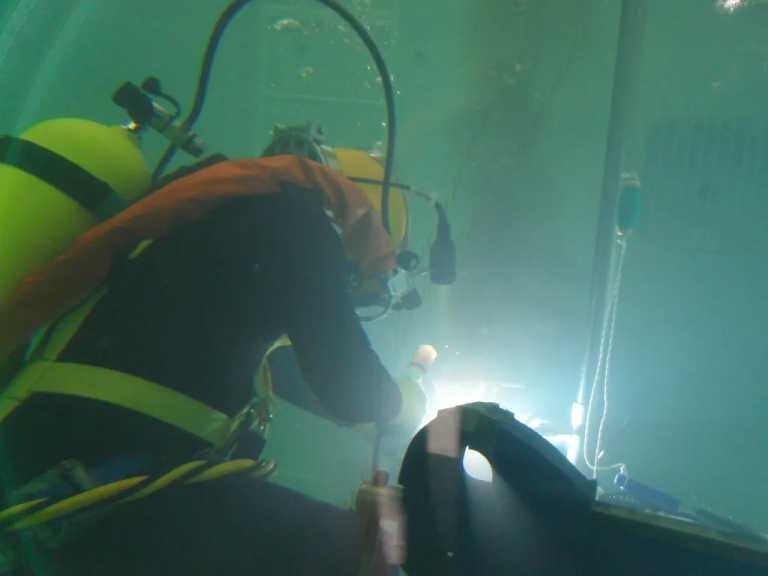
One of the most important parts of a commercial ship or an offshore vessel is its propulsion system. The tailshaft is at the core of this system, and it conveys the engine power to the propeller and provides efficient propulsion. Cumulative loads in operation under heavy load, exposure to seawater, and mechanical wear may lead to gradual expansion of clearances in the stern tube and shaft bearings. Uncontrolled excessive clearance can result in vibration, seal failures, damaged bearings, and inefficient propulsion.
Underwater Tailshaft clearance measurements are conducted on a routine basis so that vessel operators can determine the condition of the shafts when the vessel is on the water, thus avoiding the requirement to dry dock the vessel needlessly and spending less time in operations. Integrating certified commercial divers, high-precision measuring devices, and sophisticated underwater inspection methods, the marine operators are able to check the wear, enhance maintenance planning, and achieve propulsion reliability in the long term.
What Are Underwater Tailshaft Clearance Measurements?
Tailshaft clearance measurement is a specialized underwater examination measure to measure the clearance between the propulsion shaft and stern tube bearings. Such measurements assist in measuring bearing wear and shaft alignment, and the general state of the propulsion system.
In contrast to visual checks, clearance measurements are precise numerical values which allow engineers to track wear development and define whether parts are in acceptable manufacturer or classification society limits.
Professional Tailshaft Clearance Inspection is a significant component of commercial ships and offshore marine equipment preventative maintenance programmes.
Why Tailshaft Clearance Monitoring Is Important
The propulsion shaft is constantly in high mechanical loads with exposure to corrosion, vibration, and different operating conditions. In the long run, these aspects may lead to:
- Bearing wear
- Shaft misalignment
- Stern tube deterioration
- Increased vibration
- Seal damage
- Reduced propulsion efficiency
Regular maintenance checks can detect wear prior to major mechanical breakages, which can save operators the expensive emergency maintenance and unplanned downtime.
How Underwater Tailshaft Inspections Are Performed
Professional inspection teams are systematic, and they are used to check the accuracy of measurements and adherence to industry standards.
1. Preliminary Underwater Inspection
To determine: Certified commercial divers start with a thorough Underwater Tailshaft Inspection:
- Tailshaft condition
- Stern tube area
- Propeller hub
- Shaft seals
- Bearing housings
- Corrosion
- Marine growth
- Physical damage
This optical check-up determines any defects that are visible prior to measurements.
2. Cleaning Critical Inspection Areas
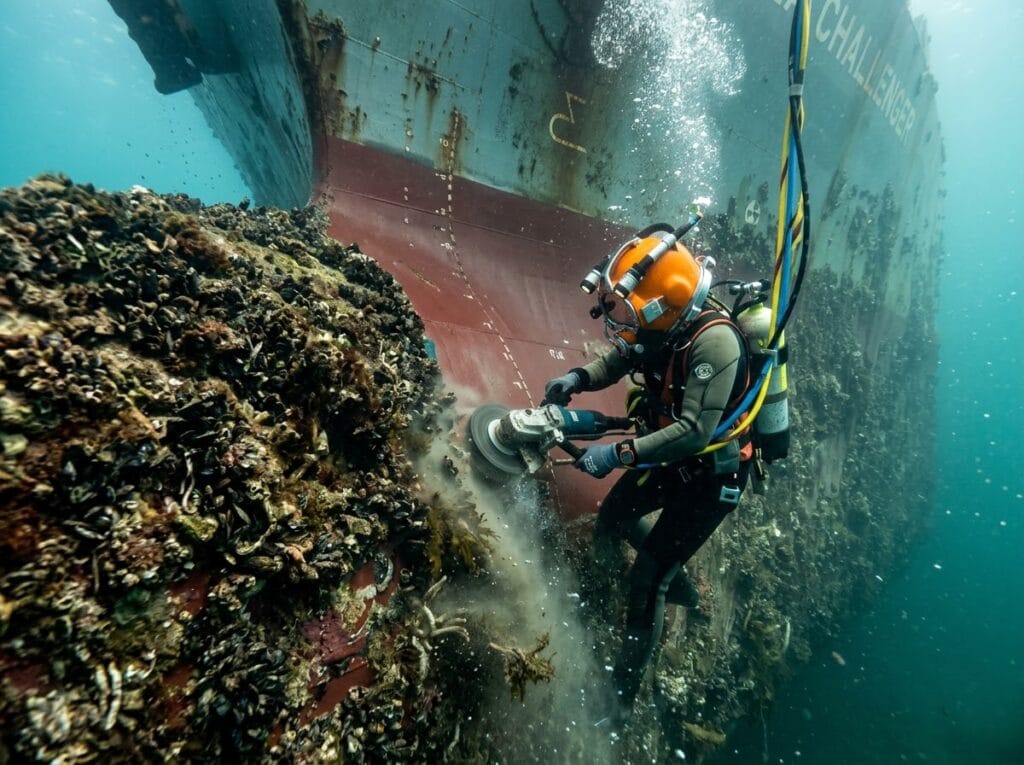
The shaft and its surrounding components are cleared of marine growth, sediment, and debris to provide proper measurements and unhindered access to the equipment.
3. Precision Clearance Measurement
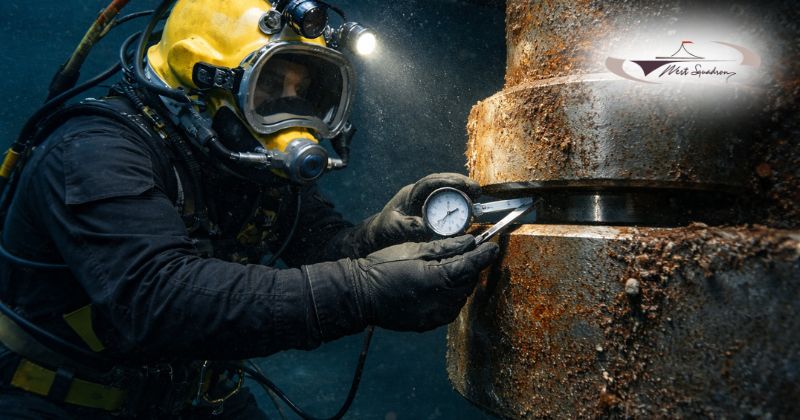
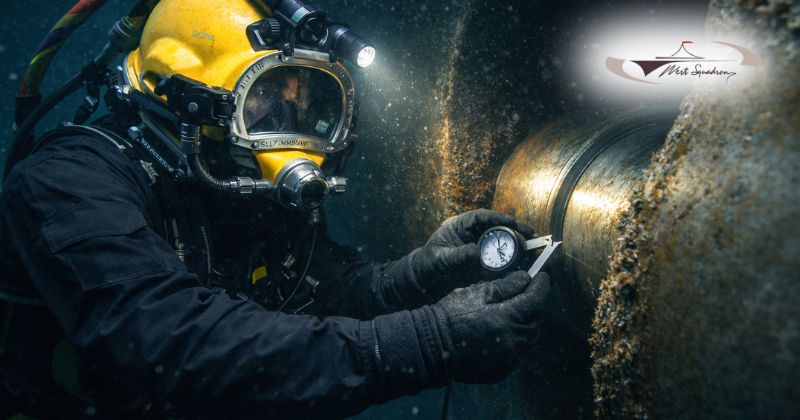
Divers apply calibrated dial gauges, hydraulic measuring instruments, laser alignment tools, or special underwater instruments in order to measure the movement of the shafts in the stern tube bearing.
Correct Stern Tube Clearance Measurement assists the engineers in measuring the wear of the bearings to decide whether they need maintenance or replacement.
4. Inspection Reporting
After the inspection, a series of detailed reports is drawn with:
- Clearance measurements
- High-resolution underwater photographs
- Video documentation
- Engineering observations
- Maintenance recommendations
These reports assist in maintenance society surveys and maintenance planning.
Benefits of In-Water Tailshaft Inspection
Professional In-Water Tailshaft Inspection Services offer some operational benefits.
Reduced Dry Dock Costs
Measures can be filled in when the vessels are still in water, and they do not need to be dry-docked, thus saving on maintenance costs.
Improved Propulsion Reliability
Regular checks are used to spot bearing wear and alignment problems before they impact propulsion performance.
Predictive Maintenance
Monitoring of measurement data across time can help engineers to anticipate component wear and perform maintenance according to the actual equipment conditions instead of periodic maintenance intervals.
Extended Equipment Life
The quick identification of excessive clearance can prevent the secondary damage of bearings, shaft seals, stern tubes, and propulsion components.
Applications Across the Maritime Industry
Tailshaft checks are common in various marine industries, such as:
- Container ships
- Bulk carriers
- Tankers, oil, and chemicals.
- Offshore support vessels
- Passenger ferries
- Naval vessels
- Floating production facilities
- Port service vessels
The regular inspections enhance the reliability of operation in both commercial and offshore marine operations.
Best Practices for Tailshaft Clearance Inspections
Vessel operators can maximize the accuracy of inspection and reliability of equipment by adhering to a few best practices.
Establish Routine Inspection Intervals
Inspection frequency should consider:
- Vessel age
- Operating hours
- Trading routes
- Propulsion system workload
- Previous inspection history
- Classification society requirements
Frequent inspection enables the operators to observe the wear patterns before they are stringent.
Employ Certified Commercial Divers
Skilled inspection work forces have the technical knowledge needed to make proper measurements and maintain safety in areas around rotating propulsion systems.
Combine Clearance Measurements with Propulsion Shaft Inspection
Professional Propulsion Shaft Inspection programs may include:
- Shaft alignment assessment
- Seal inspections
- Bearing condition evaluation
- Propeller inspections
- Hull inspections
- Vibration analysis
A combination of several inspection activities will offer a detailed picture of the propulsion system’s health, as well as enhance the efficiency of maintenance.
Emerging Technologies in Underwater Tailshaft Inspections
Underwater inspection capabilities are still being enhanced with technology.
Modern inspection programs more and more include:
- Electronic measuring systems underwater.
- Laser alignment technology
- High-definition underwater imaging
- ROV-assisted inspections
- AI-supported defect analysis
- Cloud-based inspection reporting
Such innovations offer improved measurements and promote predictive maintenance and long-term assets.
Frequently Asked Questions (FAQs)
Q1. What are the measurements of tailshaft clearance underwater?
Ans: They are underwater tests, which gauge the clearance of the propulsion shaft and stern tube bearings to evaluate wear, alignment, and general condition of the propulsion system.
Q2. Why are tailshaft clearance measurements important?
Ans: They assist in detecting the existence of bearing wear, shaft movement, and alignment problems before they cause vibration, seal failure, and costly propulsion system repairs.
Q3. Is it possible to carry out tailshaft checks without dry docking?
Ans: Yes. Inspections are conducted by certified commercial divers, with specialized measuring equipment, to minimize downtime and operational costs since they are conducted when vessels are afloat.
Q4. What is the frequency of measurements of tailshaft clearances?
Ans: The frequency of inspection is based on the type of vessel, the conditions in which the vessel is operated, recommendations of manufacturers, and requirements of the classification society. Routine checks are in favor of preventive maintenance programs.
Q5. What are the tools involved in underwater tailshaft inspections?
Ans: Calibrated dial gauges, laser measuring devices, hydraulic gauges, underwater cameras, and digital reporting systems are commonly used by commercial divers to make sure that measurements are accurate.
Conclusion
In order to keep the propulsion system functioning efficiently, it is necessary to regularly check the key rotating parts. Underwater Tailshaft clearance measurements added to preventive maintenance programs will enable shipowners to identify bearing wear, check the state of the shaft, and avert the expensive propulsion failures before they happen. Professional in-water tailshaft inspections, backed by certified commercial divers, sophisticated measuring equipment, and comprehensive reporting of inspections, are also undertaken to enhance the reliability of vessels, cut down on costs involved in maintenance, prolong the life of equipment and address the international standards of shipping.