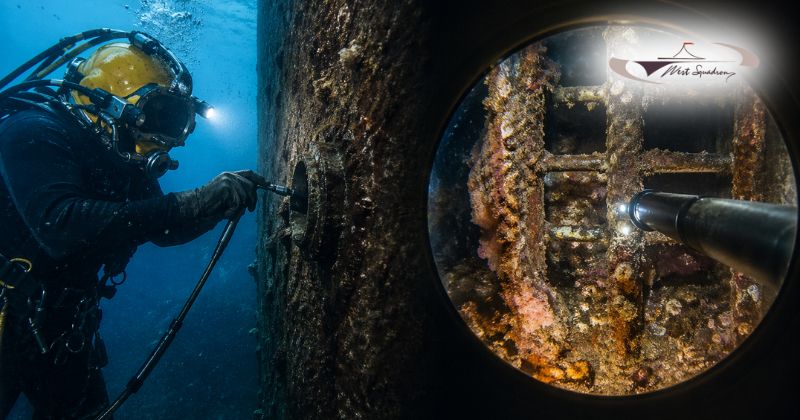
Contemporary ships rely on effective seawater circulation systems to maintain critical systems like cooling systems, ballast pumps, and firefighting systems in good health. The sea chest is one of the most important elements in such a process. With time, marine vegetation, corrosion, silt, and debris may impede the flow of water and impact the performance of the vessel and the maintenance costs.
Underwater Sea chest Borescope inspection is now one of the greatest ways used in assessing the internal state of sea chests without necessarily dry-docking them. Through integrating high-resolution borescope cameras and sophisticated underwater inspection technologies, vessel operators are able to detect defects that are not easily visible at an early stage, cut down downtime, and increase the service life of key marine systems.
What Is a Sea Chest Borescope Inspection?
A sea chest borescope inspection is a non-destructive inspection (NDI) technique that involves a high-definition, flexible camera inserted into restricted areas to determine the overall condition of the sea chest of a vessel. This method allows marine engineers and inspectors to identify problems that can hardly be found by traditional visual inspection.
Borescope technology enables vessels to be operational during the traditional dry dock inspection, unlike the conventional method of inspection, which provides detailed images of the internal parts.
Why Regular Sea Chest Inspections Matter
Sea chests are in constant contact with the seawater, which exposes them to:
- Marine biofouling
- Corrosion and pitting
- Sediment accumulation
- Blocked intake grates
- Structural deterioration
- Foreign object intrusion
The Routine Sea Chest Inspection Services will be used to detect these problems before they can impact vital onboard systems, minimizing the possibility of expensive repairs and unanticipated operational downturns.
Key Benefits of Borescope Inspection for Sea Chests
Early Detection of Hidden Defects
Modern Borescope Inspection of Sea Chests allows the inspectors to detect:
- Internal corrosion
- Coating failures and cracks.
- Biofouling buildup
- Marine organism infestation
- Obstructed seawater passages
- Structural wear
Early diagnosis enables the maintenance teams to anticipate corrective measures before small problems evolve into big failures.
Eliminate the Need for Dry Docking
The greatest benefit of borescope inspections is that they can frequently be conducted when the vessel is still in the water. This helps to reduce the disruption of operations and greatly minimizes the maintenance costs.
In the case of commercial shipping operators, the avoidance of unscheduled dry docking will mean better fleet availability and reduced operational costs.
Modern Technologies Supporting Sea Chest Inspections
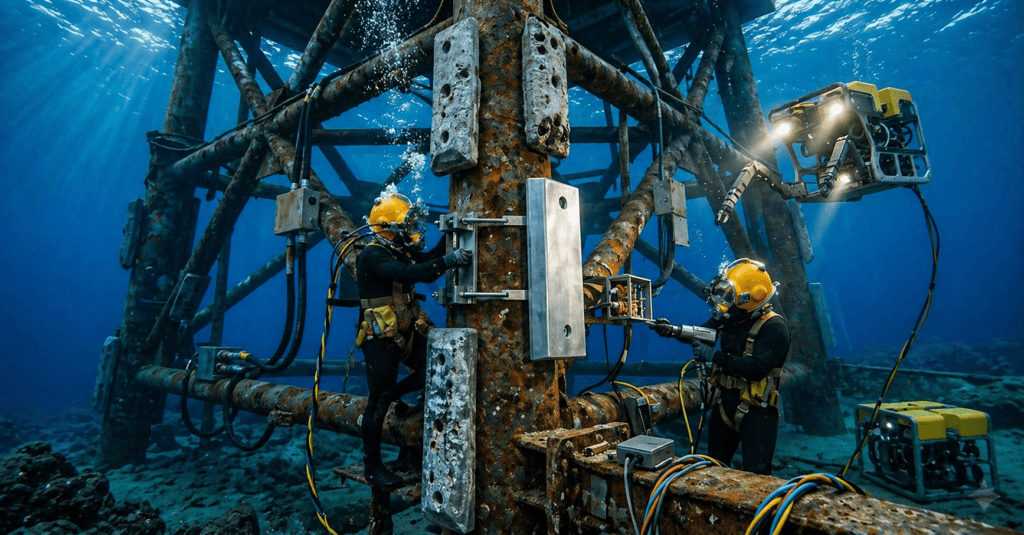
ROV-Assisted Inspection Systems
Today’s ROV Sea Chest Inspection solutions combine remotely operated vehicles with high-definition imaging equipment to inspect difficult-to-access underwater areas safely and efficiently.
Benefits include:
- Real-time video streaming
- Enhanced diver safety
- Accurate defect documentation
- Faster inspection times
- Improved access to confined spaces
ROVs are especially beneficial to large commercial ships, offshore structures, and port operations where manual inspections might be difficult.
High-Definition Marine Imaging
Digital imaging systems are now being used in Advanced Marine Borescope Inspection Services that can take a detailed photograph and video of the internal sea chest conditions. These visual records are useful in maintenance planning, classification society requirements, and long-term asset management.
Common Problems Identified During Inspections
Professional inspectors oftentimes find:
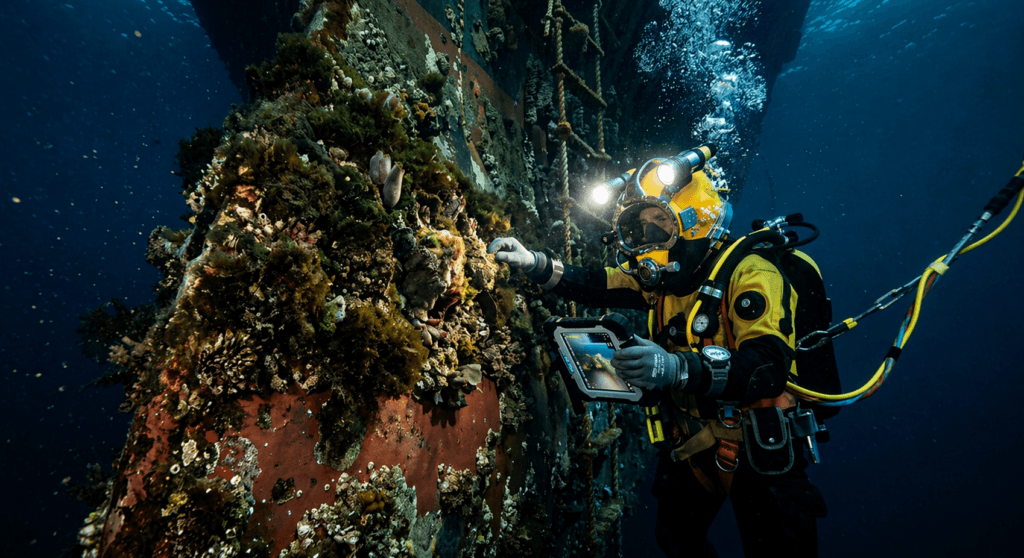
Marine Biofouling
The presence of barnacles, algae, mussels, and other sea creatures can greatly limit the flow of the seawater, therefore, lowering the cooling effect and raising the fuel consumption.
Corrosion
Exposure of saltwater increases the rate of corrosion, especially in older vessels or in areas where protective coating has been lost.
Sediment and Debris
Mud, sand, shells, fishing debris, and floating garbage usually build up in sea chests, creating blockages that impair the performance of the systems.
Structural Damage
Borescope inspection may identify cracks, coatings, weld defects, and deterioration of metals before they can affect the safety of the vessels.
Best Practices for Effective Sea Chest Inspection
Schedule Preventive Inspections
Preventive maintenance program of any vessel should include routine inspections. The frequency of inspection is based upon:
- Vessel operating routes
- Water quality
- Trading patterns
- Vessel age
- Regulatory requirements
Combine Inspection with Underwater Surveys
Most operators combine borescope inspections with Underwater Vessel Inspection programs to receive a thorough evaluation of the underwater assets, such as hulls, propellers, sea chests, and intake systems.
The integrated strategy enhances maintenance planning and minimizes the total inspection expenses.
Maintain Detailed Inspection Records
Inspection reports should include:
- High-resolution images
- Video documentation
- Corrosion assessments
- Fouling measurements
- Recommended maintenance actions
Properly documented inspections make it easier to conform to classification societies and help in predictive maintenance.
Advantages for Ship Owners and Fleet Operators
Conducting routine sea chest inspection programs will have a number of long-term advantages:
- Efficiency in cooling systems.
- Reduced fuel consumption
- Lower maintenance costs
- Increased equipment lifespan
- Better regulatory compliance
- Minimized vessel downtime
- Enhanced operational reliability
These benefits help directly in enhancing fleet performance and lowering lifecycle expenses.
Frequently Asked Questions (FAQs)
Q1. Define underwater sea chest borescope inspection?
Ans: It is a non-destructive inspection procedure that involves a high-definition borescope camera to inspect the internal status of the sea chest of a vessel whilst reducing or removing the dry docking requirement.
Q2. What is the advantage of a borescope check over a normal check?
Ans: A borescope is used to gain access to restricted internal areas that cannot be inspected by conventional visual inspection techniques in order to allow inspectors to identify concealed corrosion, obstructions, and structural flaws.
Q3. Is it possible to conduct a sea chest inspection when the ship is at sea?
Ans: Yes. The new borescope and ROV technology enable numerous inspections to be done without having to put the vessel out of service, thus saving on downtime and maintenance costs.
Q4. When is a sea chest inspected?
Ans: The frequency of inspection varies depending on the type of vessel, the operation environment, the routes of trade, and maintenance. Their inspection should be done regularly to avoid unforeseen failures.
Q5. What issues do we detect when inspecting a sea chest?
Ans: Biofouling, corrosion, coating failures, sediment buildup, blocked intake grates, cracks, structural deterioration, and other problems of seawater intake performance can be detected by the inspector.
Conclusion
Having effective seawater intake systems is critical to the safety of vessels, their efficiency, and their reliability. With the help of sophisticated borescope technology and support of ROV-inspections and thorough underwater surveys, the vessel owners will be able to detect any defects that may be hiding in the vessel before they can result in expensive failures. Underwater Sea chest Borescope inspection as an element of active maintenance strategy will help to minimize the downtime, enhance the performance of the cooling system, prolong the life of equipment, and provide for the maintenance of uninterrupted marine operations without any unnecessary dry docking whenever possible.