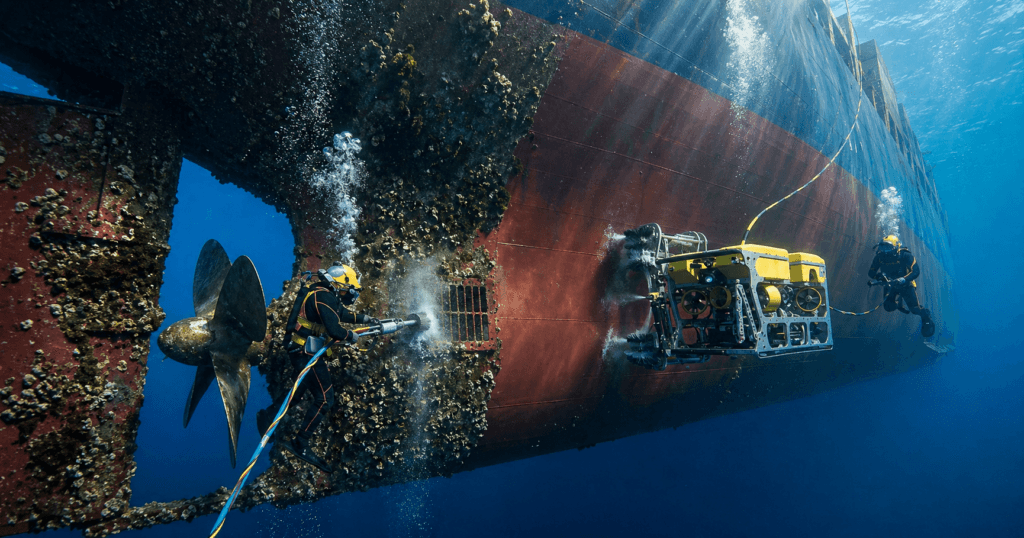
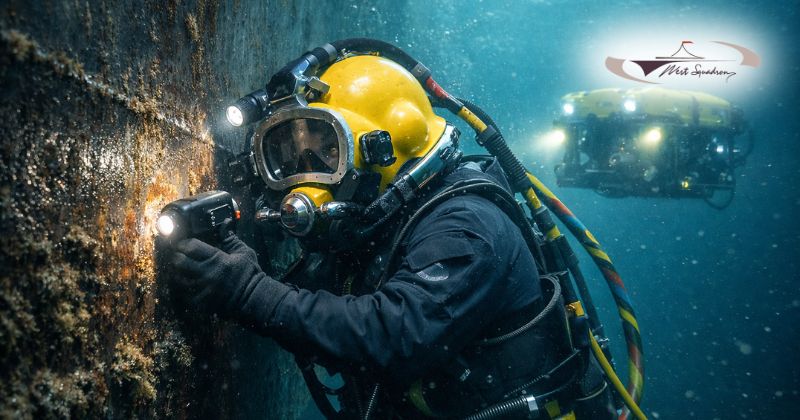
Singapore is a port in the world, and annually thousands of vessels anchor in its anchorages. Ship maintenance is crucial in attaining safety, fuel efficiency, and legal conformity. The best way of carrying out structural monitoring of a vessel without disrupting its operations is to carry out an underwater hull inspection in Singapore Anchorage.
The existing inspections can assist ship owners, fleet managers, and marine operators to establish the state of the hulls, defects, and arrange maintenance when the vessels are afloat. The combination of trained commercial divers, remotely operated vehicles (ROVs), and hi-tech imaging technologies has rendered underwater inspections more affordable, safer, and faster by comparison to dry-docking inspections.
Why Hull Inspections Are Essential for Vessel Performance
The hull of a vessel is constantly exposed to seawater, marine life, corrosion, and physical effects. Even slight flaws have the potential to slowly decrease the efficiency of operations and raise the maintenance expenses.
Frequent inspections help in identifying:
- Sea growth and biofouling.
- Coating corrosion and coating deterioration.
- Cracks in the hull, structural damage.
- Defects in propellers and rudders.
- Sea chest blockages
- Collision or grounding damages.
By detecting the issues early, the vessel operator can be able to arrange the repairs before the minor issues become expensive repairs.
Benefits of In-Water Hull Inspections
Minimize Vessel Downtime
Conventional dry docking means that the ships are out of service hence time wastage as well as increased expenses. In-Water Hull Inspection Singapore allows the vessel to be inspected at anchorage, hence saving a lot of time.
Improve Fuel Efficiency
Submerged vegetation and worn finishes enhance the hull’s resistance, resulting in more fuel being used by the engines. Regular inspections will aid in identifying areas to be cleaned or repaired, improve the working of the vessel, and minimize the costs of operation.
Support Regulatory Compliance
Hull inspections are typically documented to ensure the integrity of the structure and international safety standards are met in order to be approved by insurers, classification societies, and maritime authorities.
Modern Technologies Used for Hull Inspections
ROV-Assisted Inspection Systems
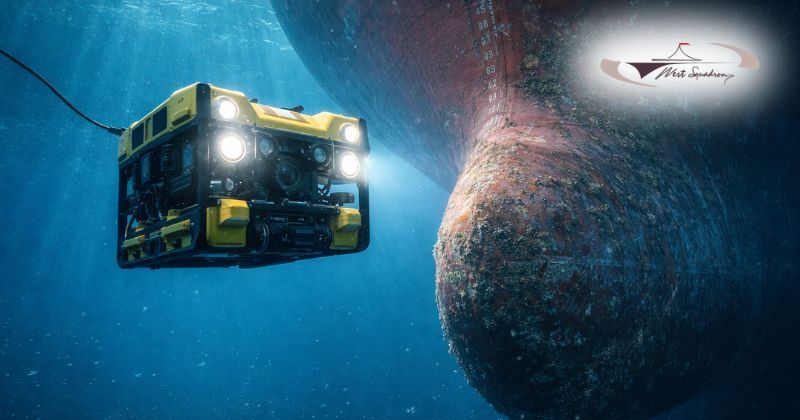
The development of Advanced ROV Hull Inspection Services has revolutionized underwater surveys because they offer high-definition inspection visuals without putting the divers at any needless risk.
Key advantages include:
- Real-time video streaming
- High-resolution imaging
- Accurate defect documentation
- Confined space safe inspections.
- Reduced operational risks
- Faster project completion
ROVs are also essential in the inspection of large commercial vessels, offshore structures, and hard-to-reach parts of the hulls.
Professional Diver Inspections
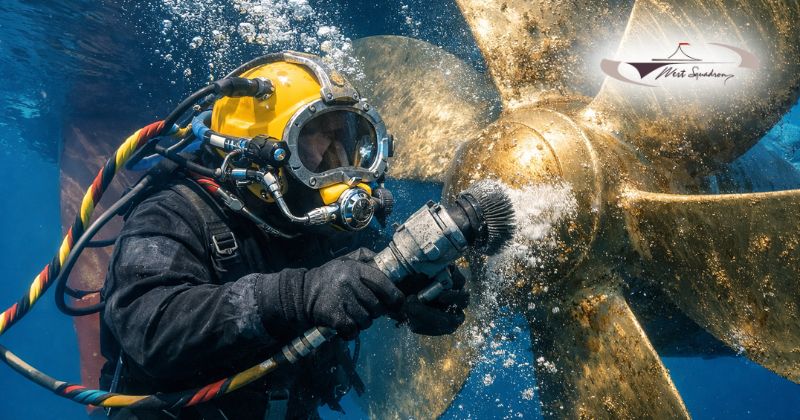
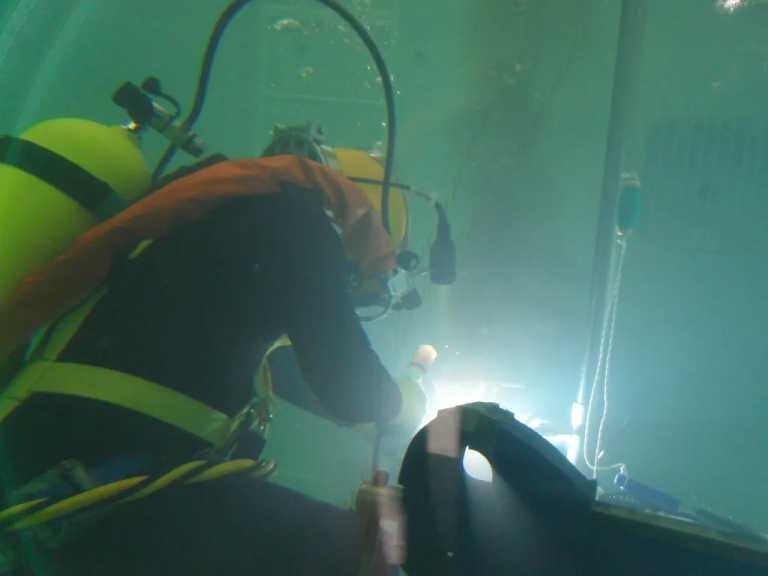
Although ROVs offer outstanding visual information, close-up check-ups, measurements, and confirmation of identified defects are still provided by trained commercial divers.
Diver expertise is frequently used with ROV technology in order to come up with holistic condition reports by professional inspection teams.
Best Practices for Effective Hull Inspections
Conduct Regular Inspection Programs
It is much cheaper to prevent than to cure. The frequency of inspection should be based on:
- Vessel operating routes
- Trading schedules
- Hull age
- Environmental conditions
- Classification requirements
Planned checkups aid in the reliability of the vessels in the long term.
Perform Comprehensive Hull Assessments
Professional Underwater Ship Hull Inspection should include evaluation of:
- Hull plating
- Weld seams
- Protective coatings
- Sea chests
- Rudders
- Propellers
- Thrusters
- Bilge keels
An overhaul inspection would give a better idea of the underwater status of the vessel as a whole.
Integrate Hull Cleaning and Maintenance
Marine growth and sedimentation areas are frequently spotted during hull inspections. Inspections coupled with underwater cleaning, propeller polishing, or sea chest repair can bring efficiency back to the vessel and lower the maintenance department expenses in the future.
Why Singapore Anchorage Is Ideal for In-Water Inspections
Singapore has a strategic position and the best worldwide maritime infrastructure that would make it an ideal destination for providing underwater maintenance services.
Professional Singapore Anchorage Hull Inspection solutions enable the operator to:
- Minimise the frequency of dry docking.
- Maintain operational schedules
- Meet regulatory requirements
- Improve fleet efficiency
- Extend asset lifespan
With the presence of qualified commercial divers and advanced underwater technology, the entire inspection can be done effectively as the vessels continue to be operational.
Emerging Trends in Underwater Hull Inspection
The marine sector finds itself using new technologies that enhance the quality of inspection and efficiency of its operations.
Current trends include:
- AI-assisted defect detection
- Online hull condition reporting.
- 3D underwater imaging
- Predictive maintenance planning
- Hybrid ROV and diver surveys.
- Marine asset monitoring using drones.
These innovations enable ship owners to make decisions based on data, and lifecycle costs will be minimized.
Frequently Asked Questions (FAQs)
Q1. An underwater hull inspection is what?
Ans: The underwater hull inspection is a thorough examination of the underwater structure of a vessel with the aim of detecting corrosion, marine growth, structural damages, coating failures, and other defects without necessarily having to dry dock.
Q2. What are the benefits of having in-water hull inspections?
Ans: They enable the vessel operators to track the hull conditions, keep compliance, enhance the fuel efficiency, and reduce the maintenance costs, and minimise the operational downtimes.
Q3. Is it possible to perform hull inspections and not dry dock?
Ans: Yes. Recent diver testings and underwater technologies that are operated by ROV allow detailed examination of the underwater areas when the ship is still floating.
Q4. Frequency of hull inspection of a vessel?
Ans: The intervals of inspections are based on the type of vessels, operational profile, the requirements of the classification society, and environmental conditions. As a preventive maintenance program, regular inspections are suggested.
Q5. What are the typical technologies in underwater hull inspection?
Ans: The instruments used in the professional inspection are normally ROVs, high-definition underwater cameras, ultrasonic thickness measurement devices, digital reporting software, and professional commercial diving teams.
Conclusion
Underwater integrity of commercial vessels is a critical concern in safety, efficiency in operations, and compliance with regulations. Underwater hull inspection in Singapore Anchorage helps shipowners and fleet managers identify issues early, reduce downtimes, and maximize vessel performance by using advanced inspection technologies, certified commercial divers, and proactive maintenance strategies. Be it in evaluating hull coatings or detecting corrosion, or assisting with long-term maintenance planning, periodic in-water surveys have become one of the best investments in the defence of valuable marine vessels in the modern competitive shipping environment.