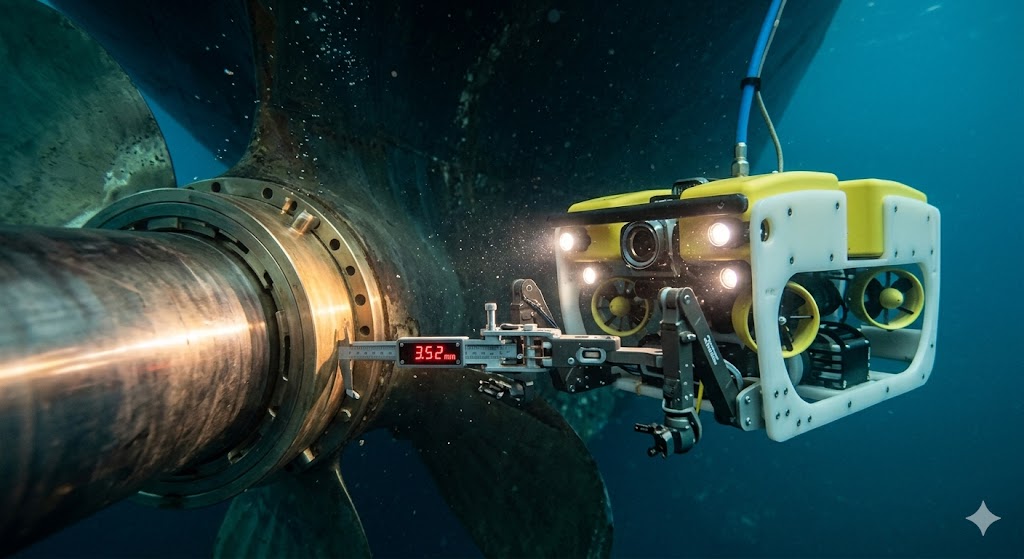
Efficient propulsion systems are crucial for the smooth and uninterrupted operation of modern commercial vessels. Issues, even minor ones, with the tailshaft assembly can result in higher vibration, poor propulsion, unexpected downtime and costly repairs. That is why Underwater Tailshaft clearance measurements have become more popular for shipowners and marine engineers as part of regular ship maintenance and condition monitoring.
As costs and the need to meet international maritime standards for dry docking become increasingly important, underwater inspection technologies are now vital to modern fleet management. Today, advanced inspection systems enable marine experts to evaluate propulsion systems without shutting down ships, saving both time and money for operators.
Why Tailshaft Clearance Monitoring Is Essential
Tailshaft clearance monitoring is essential. It is important to monitor the clearance of the tailshaft.
The tailshaft is an important part of the power transmission system to the propeller. With continued usage, excessive shaft clearances can be caused by friction, corrosion, bearing wear, and the general wear and tear of time.
If ignored, excessive clearance may result in:
- Propeller shaft misalignment
- Damage to stern tube bearings
- Increased vibration and noise
- Seal leakage
- Reduced propulsion efficiency
- Unexpected propulsion system failure
Regular ship tailshaft condition monitoring can prevent major operational issues by identifying early signs of wear.
The Most Common Causes of Propulsion System Failures
There are multiple causes of failure for propulsion systems in ships. The most frequently seen are:
Wear and Tear on Bearings
Stern tube bearings and shaft support systems deteriorate over time with continuous vessel movement. If not monitored regularly, excessive wear may remain unnoticed.
Corrosion and Seawater Exposure
Propulsion elements are highly susceptible to corrosion, especially in saltwater environments and older vessels operating in harsh marine conditions.
Shaft Misalignment
Too much load is applied to one part of the propulsion system when misalignment occurs. An underwater shaft alignment check can help detect alignment irregularities at an early stage.
Lack of Preventive Maintenance
Reactive maintenance practices can lead to costly emergency repairs. Underwater inspection of equipment helps prevent operational risks and extends equipment lifespan.
Benefits of Underwater Tailshaft Inspection
Underwater tailshaft inspection offers a host of advantages. Modern underwater inspection techniques are safer and more cost-effective than traditional dry dock inspections.
Reduced Operational Downtime
One of the biggest benefits of underwater tailshaft inspection is that inspections can often be conducted without removing the vessel from service. This minimizes disruptions to shipping schedules and commercial operations.
Early Detection of Mechanical Issues
Regular monitoring of tailshaft wear helps identify abnormal bearing wear, shaft movement, and clearance variations before they lead to severe mechanical damage.
Lower Maintenance Costs
Early issue identification allows operators to strategically plan repairs instead of dealing with emergency failures that result in expensive repairs and unexpected downtime.
Improved Vessel Performance
Proper alignment and maintenance of the propulsion system contribute to improved vessel performance through regular Hull & Propeller Cleaning and underwater maintenance practices.
- Lower fuel consumption
- Reduced vibration
- Smoother vessel operation
The Inspection Process
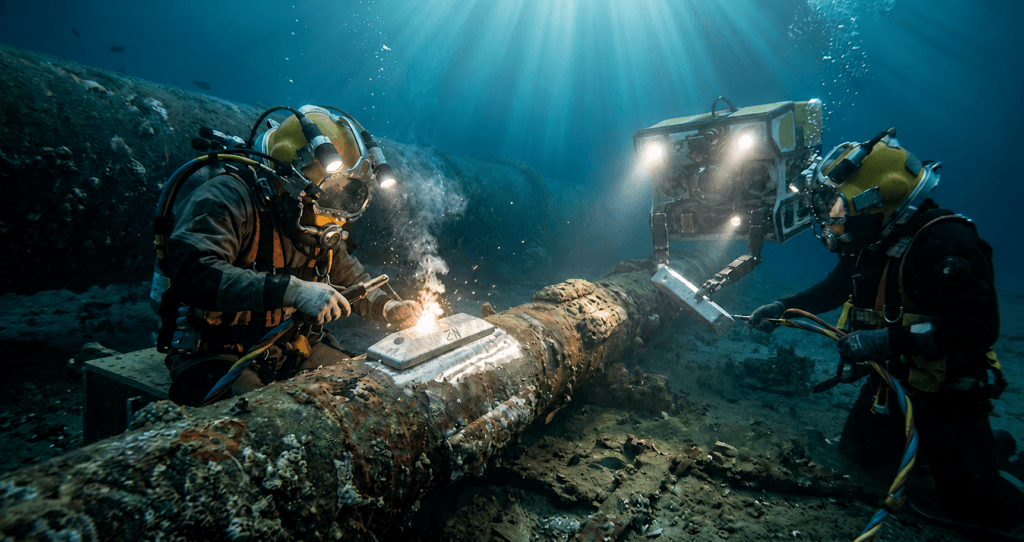
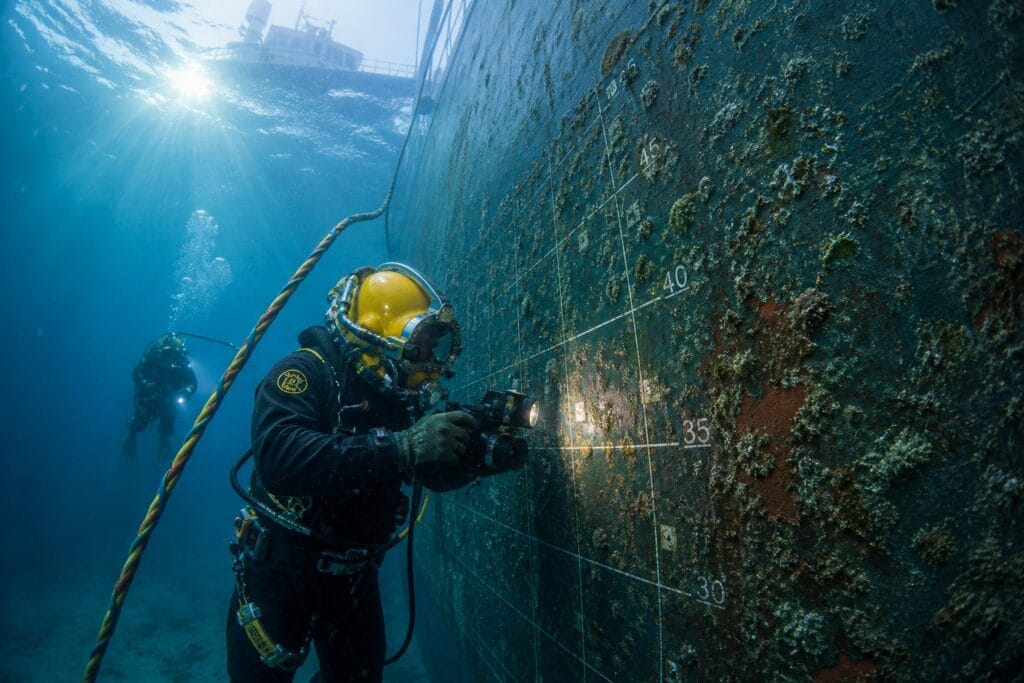
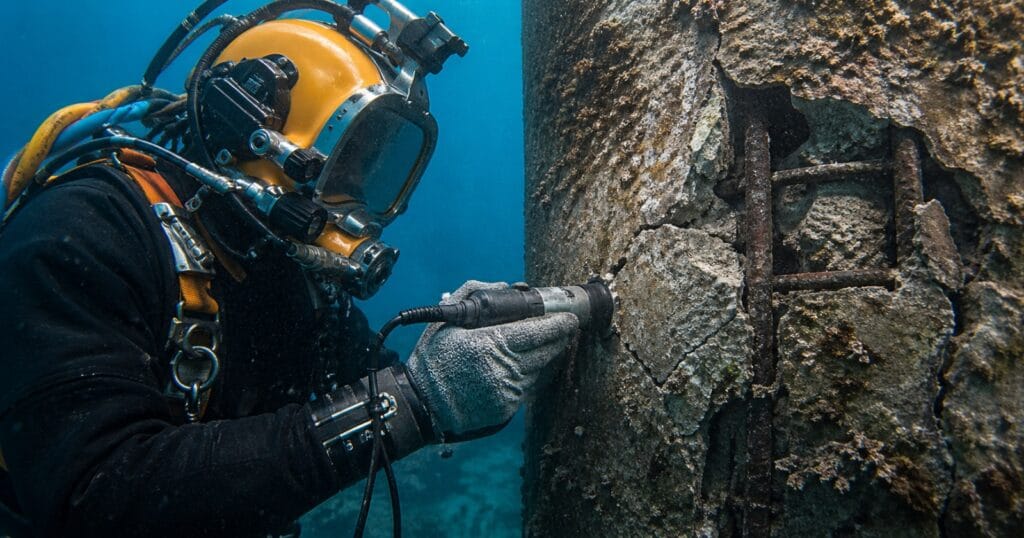
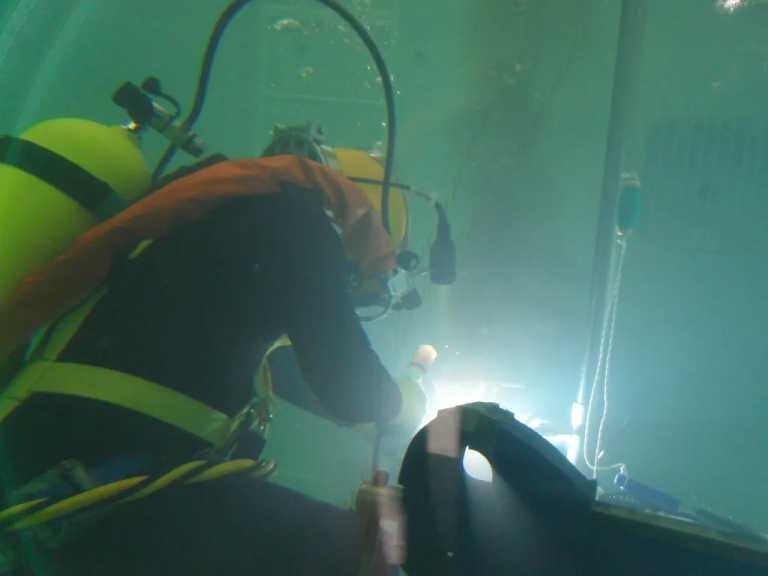
Today, marine inspection firms use specialized underwater instruments and remotely operated systems to evaluate propulsion components with high accuracy.
Initial Assessment
Before the survey begins, engineers review vessel maintenance records, propulsion system history, and inspection requirements.
Clearance Measurement Procedure
Propeller shaft clearance measurement procedures are performed using calibrated equipment to assess shaft movement and bearing conditions.
Stern Tube Examination
A detailed stern tube clearance check helps identify excessive wear, lubrication issues, and possible seal damage.
ROV-Based Inspection
ROV tailshaft clearance survey methods are increasingly popular because remotely operated vehicles can access difficult underwater locations while recording real-time video and measurement data.
Reporting and Analysis
Technical reports are prepared based on inspection findings to support maintenance planning and classification society requirements.
The Increasing Use of Technology in Marine Inspections
The maritime industry, especially in Singapore, is rapidly adopting digital inspection methods to improve maintenance efficiency and regulatory compliance.
Today, advanced marine propulsion shaft inspection solutions include:
- High-definition underwater imaging
- Digital measurement tools
- Remote inspection reporting
- Predictive maintenance analytics
- Real-time condition monitoring
- AI-assisted defect detection
These technologies help shipowners make faster and more accurate maintenance decisions.
Importance of Preventive Inspections for Commercial Vessels
Preventive inspections are critical for commercial vessel safety and compliance.
Unexpected propulsion failure can disrupt cargo schedules, increase operational costs, and damage a vessel’s reputation. Regular underwater propulsion assessments help ensure system reliability while avoiding unnecessary emergency dry docking expenses.
Preventive inspections also contribute to:
- Improved fleet efficiency
- Better fuel performance
- Reduced mechanical stress
- Safer vessel operation
- Longer equipment lifespan
- Compliance with maritime regulations
In today’s shipping industry, underwater inspection services play a major role in vessel management as companies focus on operational efficiency and sustainability.
Frequently Asked Questions
What are underwater tailshaft clearance measurements?
They are inspection procedures performed to measure the movement and clearance between the tailshaft and bearing components located below the waterline.
Why are tailshaft inspections important?
They help detect wear, misalignment, and propulsion system issues early before they lead to serious mechanical failures or expensive downtime.
Is dry docking always necessary?
No. Underwater inspections can often reduce the need for dry docking by allowing condition assessments while the vessel remains operational.
How often should propulsion systems be inspected?
Inspection frequency depends on vessel type, operating conditions, and classification society requirements. Commercial vessels typically follow scheduled maintenance programs.
What technology is used for underwater propulsion checks?
Modern inspections use:
- ROV systems
- Digital measuring equipment
- HD underwater cameras
- Advanced monitoring tools
These technologies enable accurate underwater assessments.
Conclusion
Ensuring propulsion system reliability is essential for safe and efficient marine operations. Periodic underwater inspections help identify wear, alignment problems, and bearing issues before they become costly failures.
Today, commercial vessels can accurately evaluate propulsion system conditions using advanced robotic inspection technology without extensive downtime or maintenance expenses. As the maritime industry increasingly adopts predictive maintenance systems, underwater propulsion monitoring is becoming increasingly important for the future performance, safety, and stability of vessels.