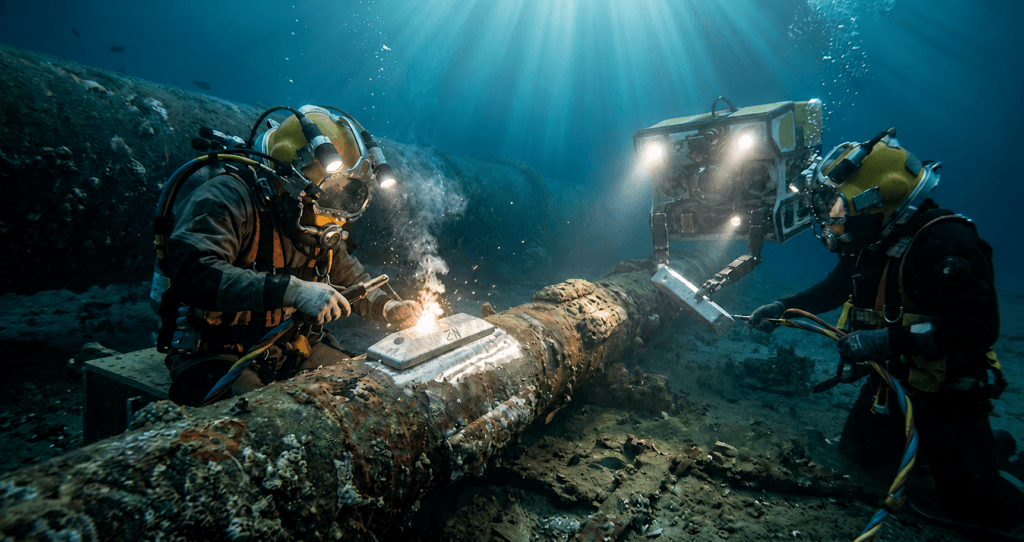
The ocean forms a massive battery, and in most cases, it is the steel structures that become the unwilling fuel to marine engineers. As soon as a steel pipeline, ship hull, or offshore platform is immersed in seawater, an electrochemical reaction starts. This process, which is called corrosion, will gradually remove electrons in the steel without interference, causing pitting, thinning, and structural collapse.
The industry-standard force field in preventing this decay is underwater cathodic protection anode installation. With a clever positioning of the anodes, we can also take the corrosive energy off the critical structure, and your multi-million dollar assets will be able to last decades in the most corrosive environment on the planet.
What is Underwater Cathodic Protection?
Underwater cathodic protection (CP) is a method of inhibiting the corrosion of a metallic surface by designing that surface as a cathode of an electrochemical cell. To put it simply, we convert the whole structure into an element that does not lose electricity but gains it.
An efficient marine cathodic protection system is not a side-show, but a basic need of underwater cathodic protection. We can effectively prevent the process of rusting in the steel by neutralizing the electrical potential between the steel and the seawater.
Types of Cathodic Protection Systems
Engineers use two major systems depending on the size and prospective life of the asset:
1. Sacrificial Anode System
This is the most prevalent way of subsea assets. It entails the sacrificial anode installation of reactive metals (typically zinc, aluminum, or magnesium). These are more active than steel in terms of their voltage, and this implies that they will corrode as opposed to the structure.
- The “Sacrifice”: The anode gradually disappears during 10-20 years, sacrificing itself in order to maintain the steel jacket or pipeline.
2. Impressed Current Cathodic Protection (ICCP)
In case of larger assets, such as huge ship hulls or long-distance pipelines, impressed current cathodic protection is desired. This system relies on an external DC power source to supply the flow of protective current, which is continuous and adjustable. It needs more upkeep and power, but has significantly longer protection times and can be adjusted as the environment varies.
Importance of Anode Installation in Marine Structures
In the offshore world, the price of structural failure is lives and environmental disasters. It is important to have proper installation:
- Structural Integrity: Retention of the initial wall thickness of pipelines and support piles.
- Marine Corrosion Prevention: Preventing the development of the so-called localized pitting that may result in the appearance of leaks.
- Safety Compliance: Adhering to high standards of organizations such as NACE (AMPP) and DNV.
- Keywords: marine corrosion prevention, corrosion protection underwater.
Underwater Anode Installation Process
The procedure of the subsea anode installation is a very high-precision one, which should be carried out to perfection to guarantee electrical continuity. When an anode is physically connected, but not electrically bonded, it offers no protection.
- Inspection and Surface Preparation: Cleaning the attachment point with grinders or high-pressure water jets to clean the attachment point to “White Metal” (SA 2.5) in order to provide a low-resistance electrical connection.
- Positioning: The anodes (which can be hundreds of kilograms) are positioned based on the engineering “CP Design” map.
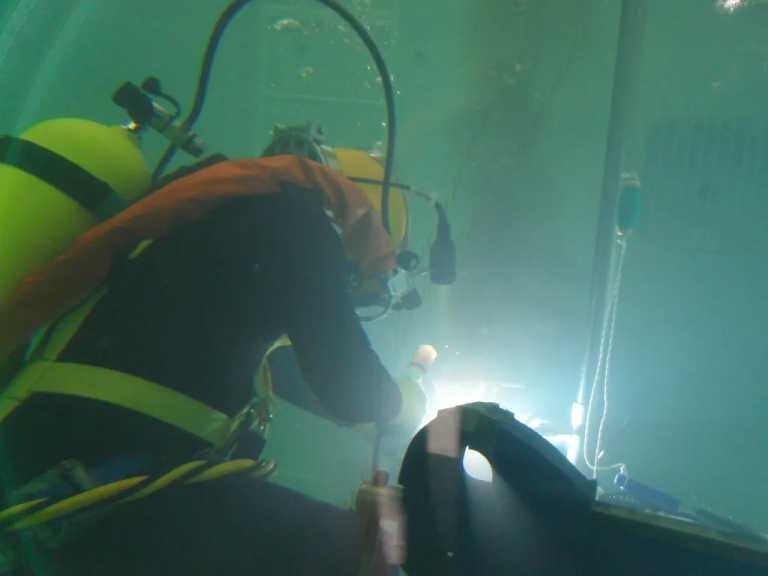
- Attachment: Anodes can typically be connected through wet welding or special mechanical clamps.
- Electrical Testing: To check that the potential of the structure has attained the necessary protective level (typically -850mV to -1050mV), a high-impedance voltmeter can be used, or a Bathycorrometer.
- Last Check: Checking that the “current output” is constant.
Methods Used for Anode Installation
As we pass farther out into the sea, the mode of delivery varies:
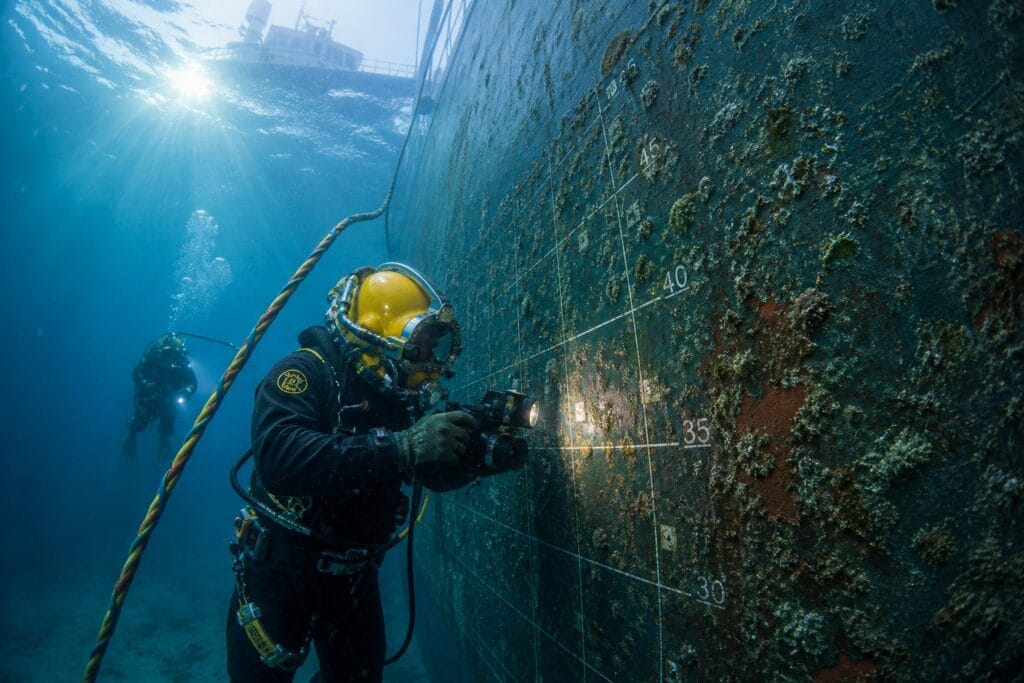
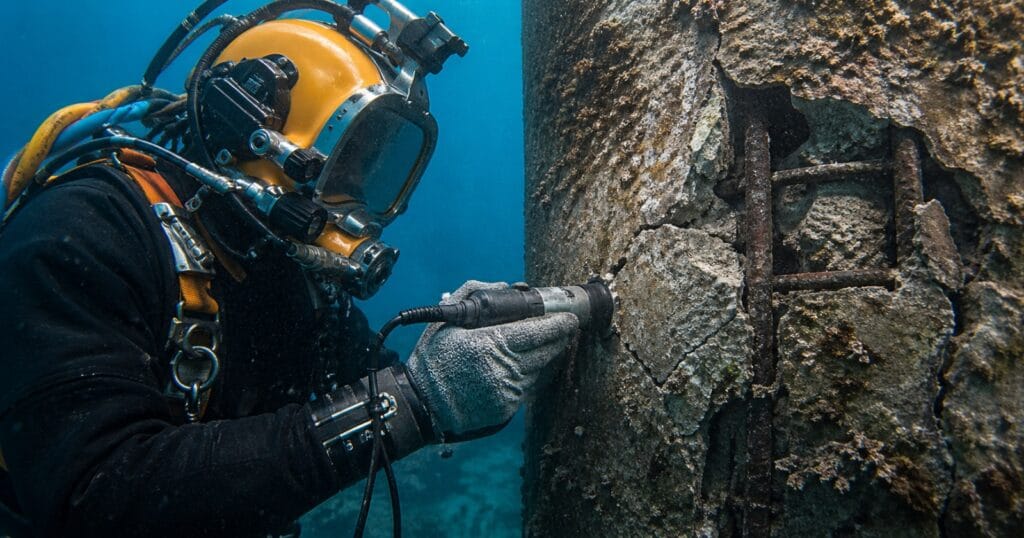
- Diver-Based Installation: The gold standard in the shallow water and complicated node-areas where hand-welding is to be performed.
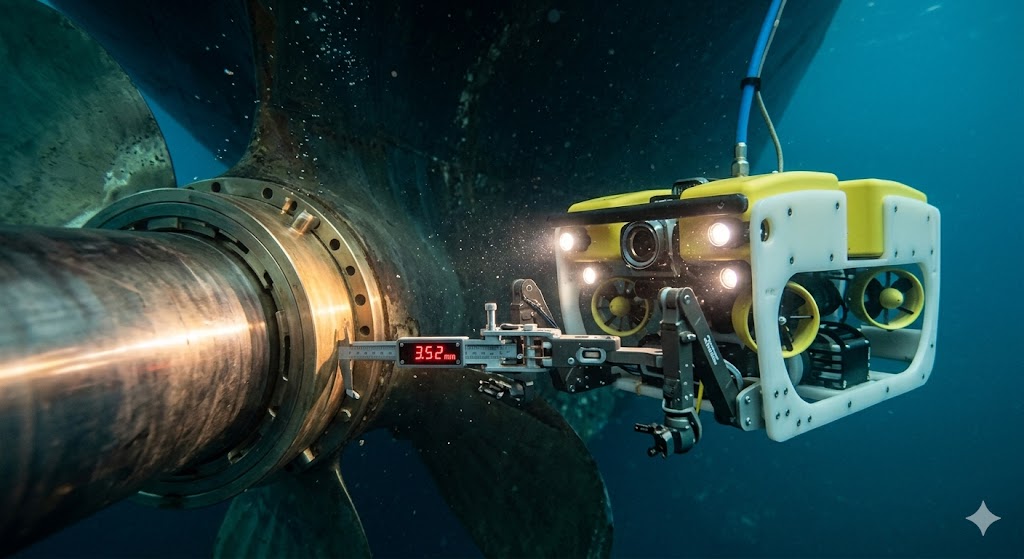
- ROV Anode Installation: Remotely Operated Vehicles are used to install anodes in deep-water oil fields by specially designed hydraulic tools and by means of special hydraulic tools and “Retrofit Clamps” in place of human divers.
- Automated Subsea Systems: Pre-fabricated Anode Sleds, which are lowered to the sea floor and then attached to the pipeline by a jumper cable.
- Keywords: ROV anode installation, diver anode installation.
Applications of Cathodic Protection Systems
Where there is submerged steel, there must be an anode:
- Oil and Gas Platforms: The protection of the huge jackets and subsea templates.
- Subsea Pipelines: It involves the prevention of leakage of high-pressure hydrocarbon lines.
- Installation of Ship Hull Anodes: This is necessary on ships in order to ensure they do not thin out their hulls, and also to ensure that they maintain their speed/fuel efficiency.
- Ports and Marine Infrastructure: Safeguarding the steel sheet piles that hold our harbors in business.
Benefits of Underwater Cathodic Protection Anode Installation
The payback of professional asset integrity management offshore lies in avoiding the “Unplanned Events”:
- Long Asset Life: A 20-year designed platform can be frequently extended to 40 years through a “Retrofit” anode campaign.
- Less Maintenance Costs: It is far less expensive to change an anode than to fix a corroded structural weld underwater.
- Better Operational Safety: Making sure that the legs of the platform do not give way under the pressure of the topside modules.
Challenges in Underwater Installation
Submarine work poses different offshore installation challenges:
- Conditions of the environment: Zero visibility and hard currents render the accuracy of welding needed for the anode hard.
- Deep-Water Logistics: At a depth of more than 300 meters, all movements have to be choreographed, which makes it more complex and time-consuming.
- Accessibility: The logistical puzzle can be accessing the internal members of a complicated jacket structure.
How to Choose the Right Cathodic Protection Contractor
Not every offshore engineering service is the same. In choosing a cathodic protection contractor, consider:
- Engineering Capability: Are they able to do the “CP Modeling” to find out how many anodes you really need?
- Equipment: Do they have specialized subsea welding habitats or deep-water ROV tool skids?
- Certification: Do they have NACE (CP-1 to CP-4) certified divers and technicians?
Select a reputable contractor when it comes to the installation of cathodic protection.
Cost of Underwater Cathodic Protection Installation
The cathodic protection installation cost is very sensitive to the Mass of Zinc/Aluminum needed, and to the Vessel Day Rate.
Expert Advice: The quality of the Aluminum-Zinc-Indium anodes could be higher than the standard zinc, but better in terms of current to weight ratio, and offer a much longer operating life in tropical waters.
Future Trends in Cathodic Protection
The new advanced corrosion protection technology is revolutionizing:
- Remote CP Monitoring: Wireless sensors that send the voltage potential of the structure to your desktop in real-time.
- AI Corrosion Analysis: Predicting when an anode will become ineffective, based on salinity and water temperature, with machine learning.
- Green Anodes: The creation of alloys that do not emit heavy metals to delicate marine life.
Conclusion: Protecting Marine Assets from Corrosion
The best form of resistance against the natural tendency of the ocean to reclaim steel is underwater cathodic protection anode installation. Knowing the electrochemical requirements of your asset and selecting the appropriate installation partner will allow you to have your subsea infrastructure contribute decades of productive and safe contribution to the global economy.
We have expert cathodic protection service and anode installation services. Contact us today.
Frequently Asked Questions (FAQ)
Q1. What is the average life of sacrificial anodes?
Ans: The majority of the systems have a 10-20-year life cycle, which is determined by the water temperature, the salinity, and the current demand of the structure.
Q2. Am I able to understand whether my anodes are functioning or not?
Ans: A probe is used to give a probe a Survey of the CP. When the structure lies between -850mV and -1050mV (vs. Ag/AgCl), it is completely safeguarded.
Q3. Is it possible to be more protective of a structure?
Ans: Yes. In high-strength steels, Hydrogen Embrittlement may develop as a result of Over-protection, so the metal becomes brittle and capable of cracking. This is the reason why professional ICCP tuning is necessary.
Q4. What is the distinction between Zinc and Aluminum anodes?
Ans: The anodes made of aluminum are less weighty and carry a greater amount of energy per kilogram, hence they are the choice in large offshore systems. Zinc is normally applied to smaller watercraft.
Q5. Is replacing anodes possible when the platform is in use?
Ans: Absolutely. The majority of the subsea anode installation campaigns are carried out on-stream to prevent expensive production interruptions.