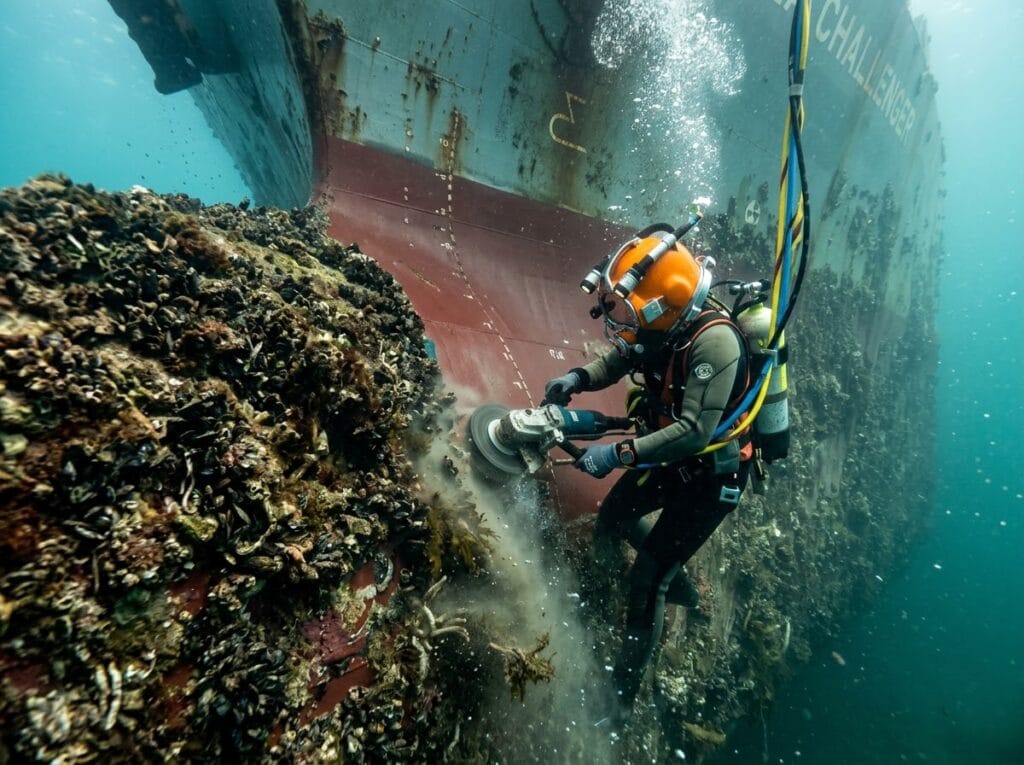
The shipping industry relies on the effective work of vessels to save on costs, enhance safety, and comply with ever-increasing environmental regulations. Biofouling, or the growth of marine organisms, including algae, barnacles, mussels, and microorganisms, on submerged surfaces, is one of the most neglected issues that impacts commercial ships. Although it may seem like a natural phenomenon, marine overgrowth can have a serious effect on the performance of the vessel, fuel consumption, and the number of greenhouse gas emissions.
The development of marine growth and the establishment of proactive maintenance measures can assist shipowners to enhance the operational performance and promotes sustainable shipping practice.
What Is Biofouling?
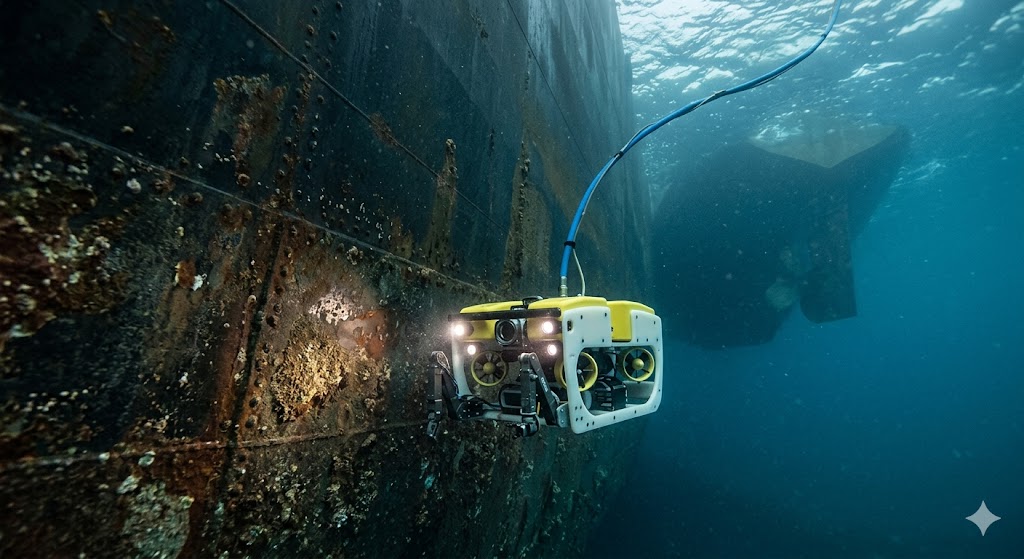
Biofouling is the natural phenomenon of the attachment of aquatic organisms to underwater surfaces. Ship hulls, propellers, rudders, sea chests, and offshore structures are especially susceptible as they are constantly exposed to seawater.
This process normally unfolds in phases:
- The growth of a microscopic conditioning film.
- Increase in bacteria and biofilm.
- Stickage of slime and algae.
- Barnacle, mussel, tubeworm, and other marine colonies.
Unattended, the accumulation becomes harder to erase and may have adverse consequences on vessel performance.
How Marine Growth Impacts Vessel Performance
Too much Marine Growth on Ship Hull makes the underwater surfaces rougher and thus the vessel is subjected to more hydrodynamic resistance when traveling through the water.
This further drag can cause:
- Reduced sailing speed
- Higher engine workload
- Increased fuel consumption
- Greater machinery stress
- Reduced operational efficiency
Even minor hull fouling can produce a detectable impact on propulsion efficiency and, therefore, regular inspections and cleaning of the hull are important to commercial fleets.
The Relationship Between Hull Fouling and Fuel Consumption
Fuel is one of the biggest costs incurred by shipowners. Hull fouling has a direct effect of increasing drag that causes engines to produce more power to sustain the same speed.
With increasing resistance, operators tend to suffer:
- Higher prices of bunk fuel.
- Reduced voyage efficiency
- Higher operating expenses
- Increased maintenance requirements
Enhancement of Fuel Efficiency in Ships is both a cost consideration and an environmental concern. Keeping underwater surfaces clean will enable vessels to perform near the intended levels of performance and save needless energy use.
Why Underwater Hull Cleaning Is Essential
One of the best methods of controlling marine growth without disrupting vessel schedules is through Routine Underwater Hull Cleaning.
Professional underwater cleaning services contribute to:
- Take away algae and barnacles.
- Apply a glossier hull.
- Improve propulsion efficiency
- Reduce fuel consumption
- Extend coating life
- Planned maintenance programs.
In-water cleaning can be an effective alternative to dry-docking to keep the operational performance at a steady level in vessels with tight commercial schedules.
Environmental Benefits of Effective Marine Growth Management
The maritime sector is increasingly being pressured to cut emissions and enhance environmental performance. Hull cleanliness management is an activity that is directly related to these sustainability objectives.
A clean hull can assist operators:
- Lower carbon emissions
- Reduce greenhouse gas emissions.
- Improve energy efficiency
- Reduce the invasion of exotic marine species.
- Be supportive of international environmental standards.
Shipping companies can help make the worldwide shipping operations more sustainable by adding routine checks and cleaning to the lineup of maintenance strategies.
Best Practices for Vessel Performance Optimization
Hull efficiency cannot be maintained through major clean-ups every now and then. Effective maintenance programs are integrated with inspection, monitoring, and preventive measures.
Recommended practices include:
Schedule Regular Hull Inspections
Conducting regular underwater inspections will assist in the detection of marine growth, coating damage, corrosion, and structural issues before they can turn into significant issues.
Use High-Quality Protective Coatings
Contemporary antifouling paints minimize the growth of organisms and contribute to the extended maintenance of smooth hull surfaces.
Perform Timely Cleaning
Pre-cleaning prior to the formation of heavy marine growth reduces the amount of coating damage and carries out a better restoration of hydrodynamic performance.
Monitor Operational Performance
Monitoring of fuel usage, vessel speed, and engine efficiency may assist in detecting any early signs of underwater fouling.
These practices, in conjunction, help in long-term Vessel Performance Optimization and also decrease the maintenance costs.
Emerging Technologies in Hull Maintenance
Digital technology is transforming the way vessel operators deal with underwater maintenance.
Modern innovations include:
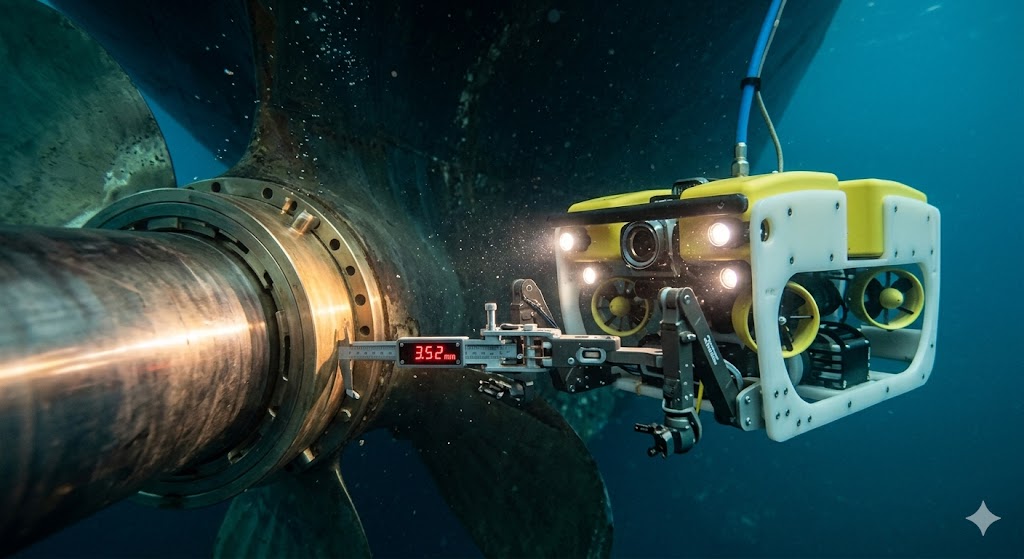
- Remotely Operated Vehicle (ROV) checks.
- Hull image analysis with AI.
- Predictive maintenance software
- Underwater drones
- Digital inspection reporting
- Performance monitoring systems
These technologies offer increased insight into the condition of the hulls and allow making maintenance decisions not according to the schedule but based on real-time data.
Frequently Asked Questions (FAQs)
Q1. What causes marine growth on ship hulls?
Ans: Marine growth occurs when the surface of submerged vessels is overgrown with algae, bacteria, barnacles, and other water organisms.
Q2. What impact does hull fouling have on fuel efficiency?
Ans: Hull fouling adds water resistance, and the engines need to use more fuel in order to operate at the same speed.
Q3. What is the frequency of underwater hull washing?
Ans: Its frequency is dependent on the type of vessels, the routes, the conditions of operation, and the environmental conditions. The regular inspections enable the determination of the right cleaning schedule.
Q4. Will underwater cleaning save on operating costs?
Ans: Yes. The elimination of marine growth increases the hydrodynamic efficiency, decreases the fuel consumption, and decreases the maintenance costs over the long-term.
Q5. Why is hull maintenance important for sustainable shipping?
Ans: A clean hull means fewer emissions, better use of energy, fewer invasive species are introduced, and it helps in adhering to environmental standards.
Conclusion
A clean underwater hull is a key to safe, efficient, and environmentally-friendly operations of the vessels. Uncontrolled biofouling may severely affect the fuel usage, the velocity of the vessel, the maintenance, and the rule compliance. By cleaning underwater hulls proactively, treating antifouling measures, conducting regular inspections, and constant monitoring performance, shipowners can save valuable assets and enhance operational reliability.
With the maritime industry moving more towards digital technologies and sustainable operations, Biofouling management will still be an essential part of vessel maintenance. Preventive hull care is a proven investment that can improve performance and increase the life of an asset, aid in fuel efficiency, reduce emissions, and improve sustainability in global shipping activities.